Immigrant

Last week, my child had to interview an immigrant for a grade 9 Geography assignment. Everyone in his class had to do the same. Pause for a moment and take that in: we live in a place where a teacher can safely assume that every child in a class of 25ish can, with relative ease, find a person in their life who has immigrated to the country. Oh, and we live in a place where that is a good thing.

I no longer take this for granted.

My child chose to interview me because I am an immigrant. Some days I am highly aware of myself as an immigrant; others, it seems like a word that pertains to other people. As an American immigrant to Canada, right now I feel horribly connected to my birth country: people who, like me, have immigrated, only to the US instead of to Canada, are being targeted and deported – sent to rot in foreign jails from which they may never return – for no reason other than being immigrants. Yes, yes, I realize that there are trumped-up reasons for their deportation, but even the Cato Institute (not exactly a bastion of liberal thinking) has determined that many of the men recently deported to an El Salvadorean prison had no criminal record and had never violated immigration law. The immoral actions of the current US government must surely give many immigrants pause.

So, when my child started asking me questions, I was a little tense. He was conducting the interview in Frenglish because I refused to answer exclusively in English for a class that he’s taking in French. Soon, he learned that I had lived in five places (and two countries!) before I was ten; that I have taught in four countries; that people in the US don’t take their shoes off when they enter a home. (“Wait? Really? That’s weird. Why don’t I know about that?” he asked. I said that his American relatives probably just laugh at him behind his back. Hee hee hee.)

He learned about the visa process and what it was like to move to a country where I could not yet hold a job and didn’t really have any friends.

“What did you do?” he asked.
“Learned to knit,” I replied, which is sort of true.
“I never really thought of you not knitting,” he said.
Oh, my sweet child. One is not born knowing how to knit.

After the interview, he drafted his “article”. It was still in Frenglish, though the French was coming along. Tonight, he’s polishing it, so we’ve spent quite a long time making sure the French grammar is right and double-checking accents. “I trust you more than Google Translate and BonPatron,” he tells me.

I point out that I am American. He is literally writing about me being American. I am not a native French speaker and still have a bit of a Southern accent when I speak. He says my French is still “really good,” and I decide to accept the compliment.

He decides he wants pictures to accompany his article. He’s particular – he wants me at specific ages and doing certain things.
“Do you have any in the snow?” he asks.
“Not if I can avoid it,” I tell him, but I live in Ottawa now, so of course I do. I send him what I can.

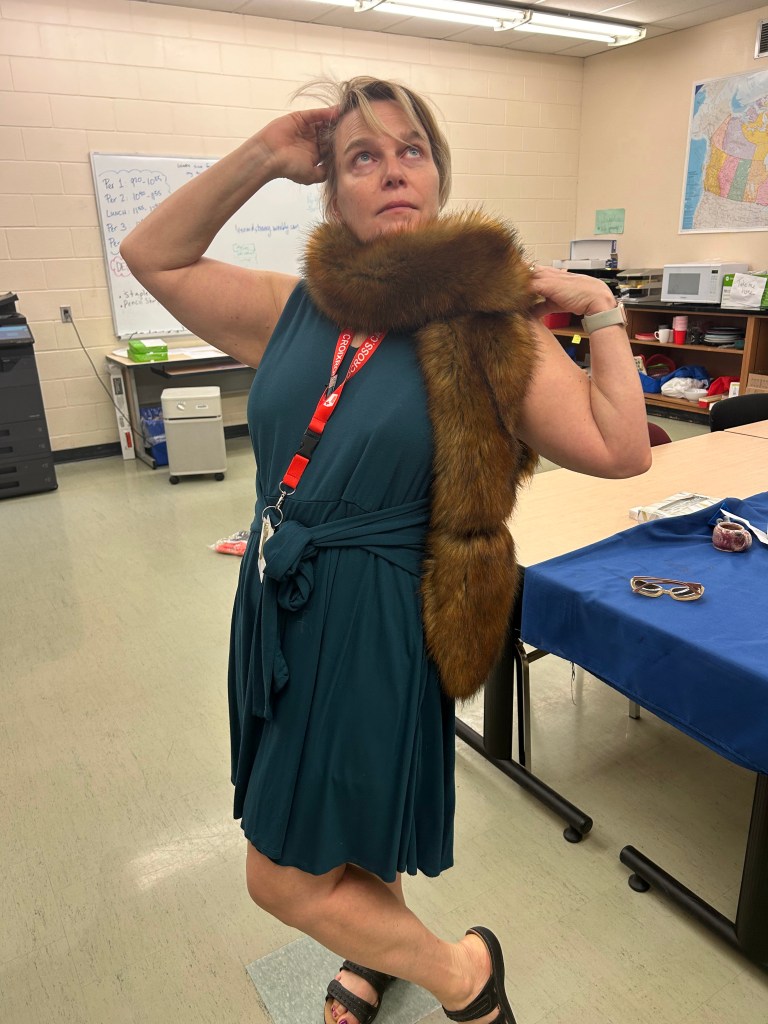
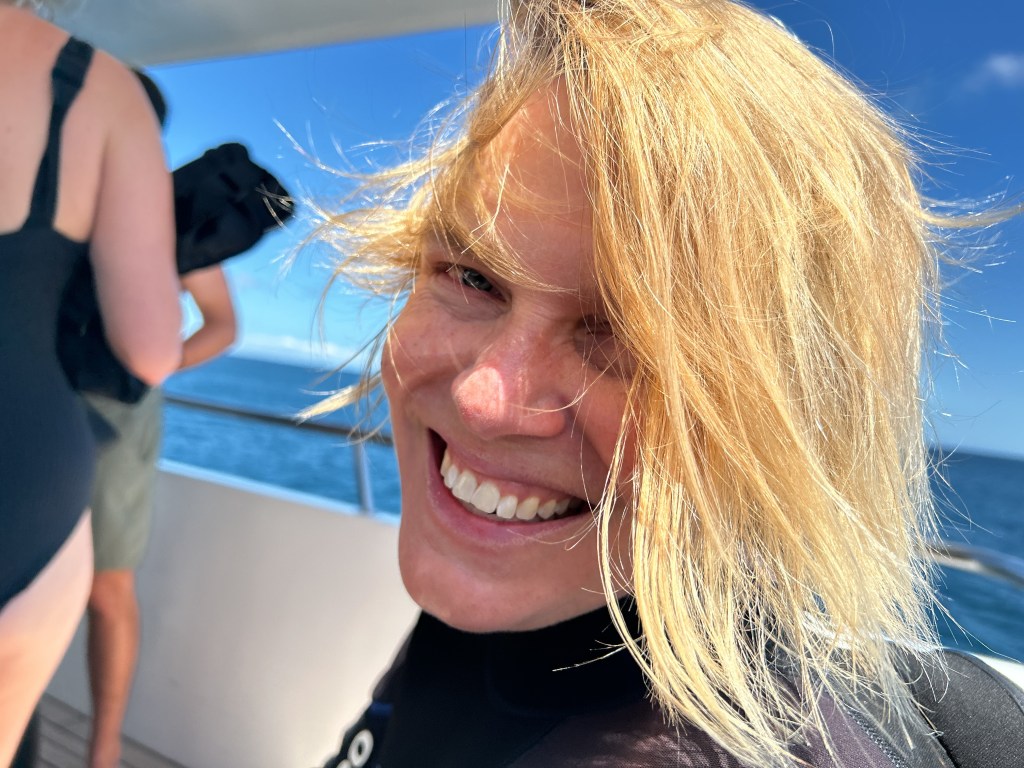
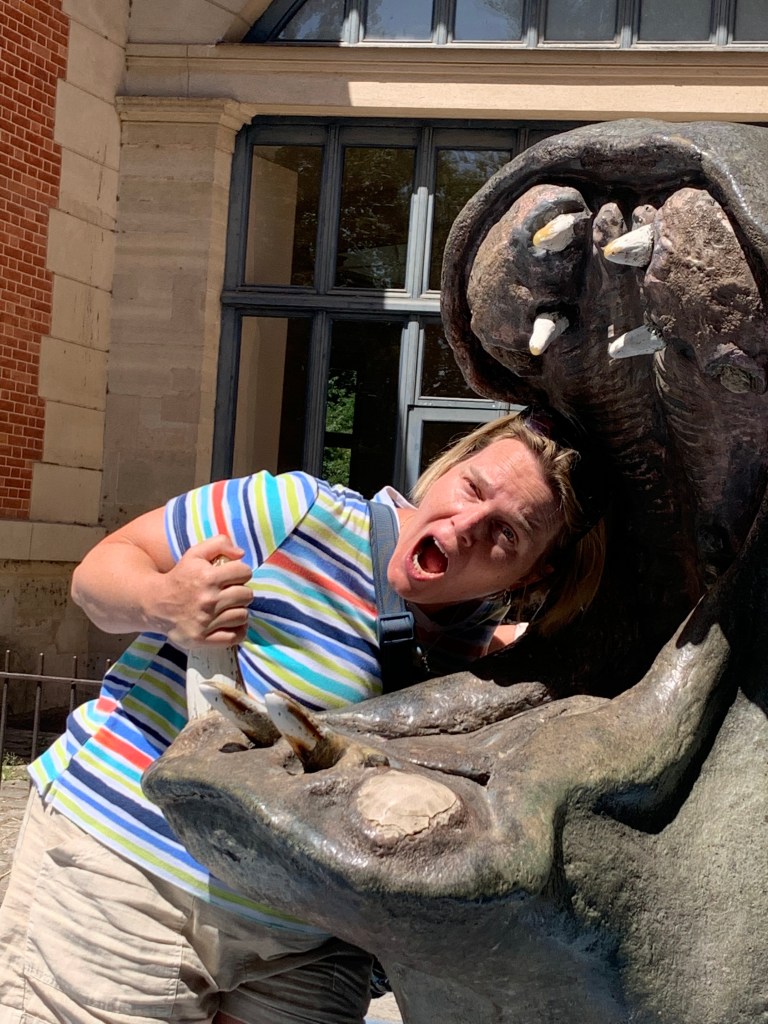
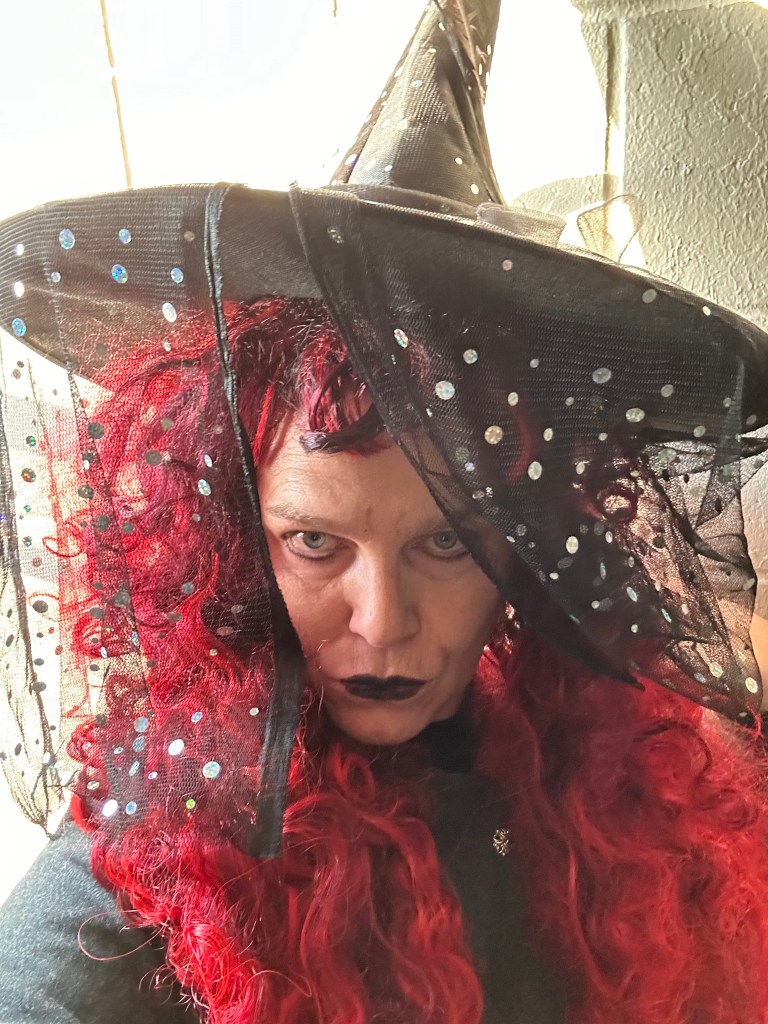
After a few minutes he says, “Do you have any of you looking normal?” which makes me laugh – I love making silly faces for the camera. Still, for him, and to make immigrants look good, I find some “normal” pictures. 

For you, however, I will share some of the funny ones.
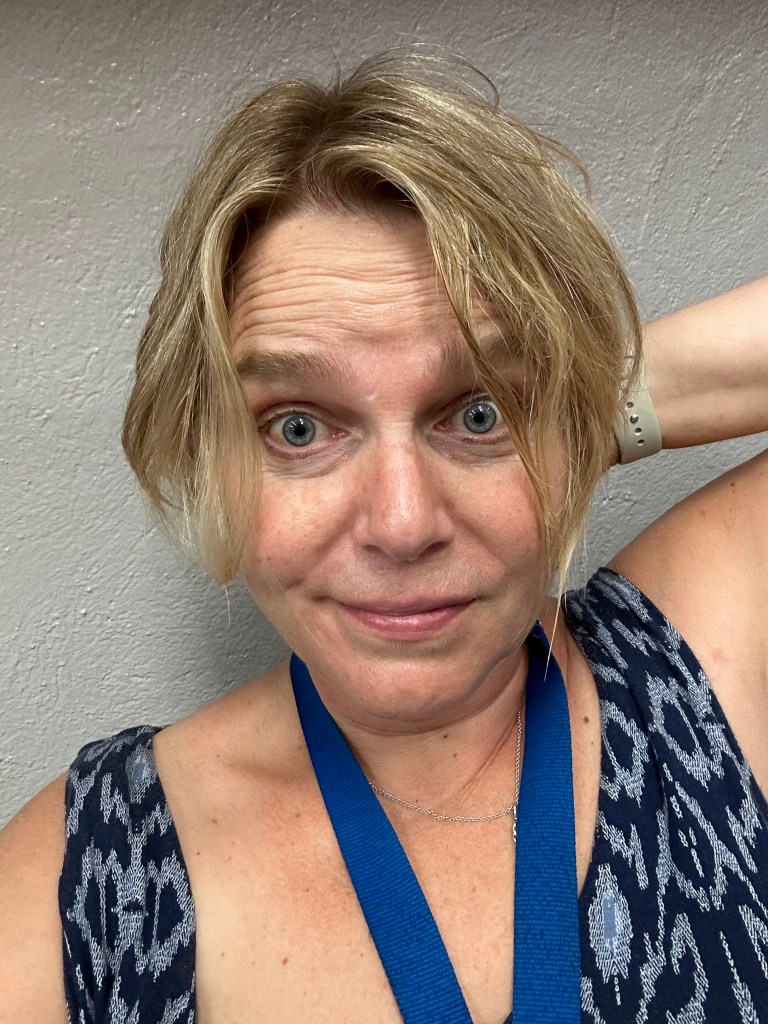
There: faces of an immigrant. Remember this the next time another person gets deported. They might be a lot like me.
I bought you a book

She had grade 9 English with me and, though it’s hard for me to believe, she’s in grade 12 now which means we’ve been smiling at each other and saying hello in the hallways for three years. In seven weeks, she’ll graduate, yet it was only a few days ago that I realized I’d never told her the story.

Oddly, I’ve told a lot of other people the story: how we were both new to the school; how she was quiet but eager; how she finished reading a book then asked me shyly if I had any books about Asia. She didn’t even ask for something set in Bangladesh – her home country – just anywhere in Southeast Asia. Oh, how I wanted to say yes! I scoured my bookshelves – my classroom library suddenly seemed so paltry – but I could only come up with one, and it didn’t really fit: it was really about a girl living in the US who was dealing with issues of sexuality. The 14-year-old in front of me wasn’t ready for that book; she wanted something that reminded her of home.

I was sad to have to tell her that I didn’t have anything, really. We found another good book, and she continued to read, but I couldn’t shake my disappointment. I looked online to find books about Bangladesh. I checked out Samira Surfs from the public library – too young, too refugee-focused. I found books set in Pakistan, books by white authors, books for adults… 

As the school year continued, I had to confront a sad truth: my classroom library was designed for a different student population. At my new school, the books I had didn’t reflect the students in the room. I knew I needed to address the problem, but I also knew I needed money to do it. 

At this point, I applied for a classroom library grant from the Book Love Foundation (founded by Penny Kittle). I asked two senior students to write me a recommendation; they also helped me with my video. And then… I won a grant! Oh, the books I bought – books set in places around the world. Sports books and fantasy books and realistic fiction. Graphic novels and novels in verse and memoirs with main characters from places my students knew and I did not. And yes, a book set in Bangladesh.

By the time the books came in, she was in grade 10 and our paths rarely crossed, so I didn’t think to tell her what she had inspired. Last year, I barely saw her at all. This year, though, our schedules overlap, and I see her often. And this year, I finally realized that I’d never told her about the books. So, last week I told her. She was startled. She didn’t remember asking for a book and she was surprised that I remembered where she was from. She blushed a little and we went on our way.

Then, a few days later, there was a knock at the classroom door. Could she come in? Could she see the books? I showed her what I could find on the shelves, but I had to laugh: so many of the books that I would have offered her if only I’d had them then – Amina’s Voice, Amina’s Song, Amira and Hamza, The Last Mapmaker – weren’t there because they’re being read by current grade 9 students. Still, I showed her Saints and Misfits, and Love from A to Z, and The Patron Saints of Nothing – and listen, it’s not perfect, but oh how she smiled.

Three years later, her request and the Book Love grant have changed everything. 

(If you are interested in information about applying for the grant, feel free to reach out to me – though honestly the link has all the information; if you are interested in donating to the foundation, please don’t hesitate. All kids deserve to see themselves in good books!)